Season 2 – Episode 1: The Organic Leadership Journey of Os Quiros
Embracing Leadership: A Conversation with Os Quiros
Amanda Downs explores the fascinating world of sales mastery and leadership with Os Quiros, the CEO of National Organic Products. Os’ journey from his start in sales at Caburys to becoming a key player in the global ambient food sector is nothing short of inspiring. As they settled into their discussion, Amanda was eager to uncover the essence of his leadership journey and the principles that have guided him along the way.
The Thrill of Sales
Os’ story begins selling shoes in Clark’s shoe shop, where his mother was the manager. It was here that he caught the “sales bug,” driven by the thrill of targets and understanding customers’ needs. This early experience instilled in him a passion for closing deals, a passion that has remained undiminished throughout his career.
Navigating the Challenges of Management
With a degree in economics and a Cadbury’s graduate training program behind him, Os expanded his horizons in the world of sales. Over time, he ascended through various roles, growing his skill set and carving out a place for himself in the industry. But it wasn’t just about climbing the ladder – it was about embracing every opportunity, even those that tested his limits.
When Os stepped into his first leadership role at Kerry Foods, managing a team of 60 people, he found himself grappling with the challenges of imposter syndrome. Despite feeling unprepared, he embraced the opportunity for growth and transformation. It was a period that tested his determination, resilience, and capacity to drive cultural change within an otherwise dysfunctional team.
The Art of Cultivating Culture
Os also talked about the importance of nurturing a positive culture within a team. He spoke passionately about the need for good people around you – change agents who believe in the vision. Communication, he stressed, is vital in leading people towards a common goal. It’s about selling the dream and demonstrating the “what’s in it for them” that enables the buy-in and motivation.
Trust and Integrity
As CEO of National Organic Products, Os shared that one of his core leadership principles is trust. Empowering his team to make their own decisions, he avoids micromanaging and fosters an environment where calculated risks are encouraged. Communication and openness are integral to his leadership style, as is maintaining integrity in all dealings.
Os acknowledged the challenges of being in a CEO role, particularly the sense of loneliness and the weight of responsibility that comes with it. Yet, he emphasised the importance of work-life balance and the ability to switch off after leaving the office – a skill he has mastered over the years to maintain resilience.
Values and Principles That Define Leadership
Os highlighted the values that have shaped his journey: integrity, determination, and availability. He believes in being approachable and genuinely interested in the people he works with, fostering a culture of respect and trust that transcends all levels.
Os Quiros’ story is a testament to the power of embracing opportunities, cultivating culture, and leading with integrity. Whether you’re an aspiring leader or an experienced executive, there are lessons to be learned from his approach to navigating the complexities of leadership.
Compose Your Health Symphony by Crafting Work-Life Balance, One Note at a Time
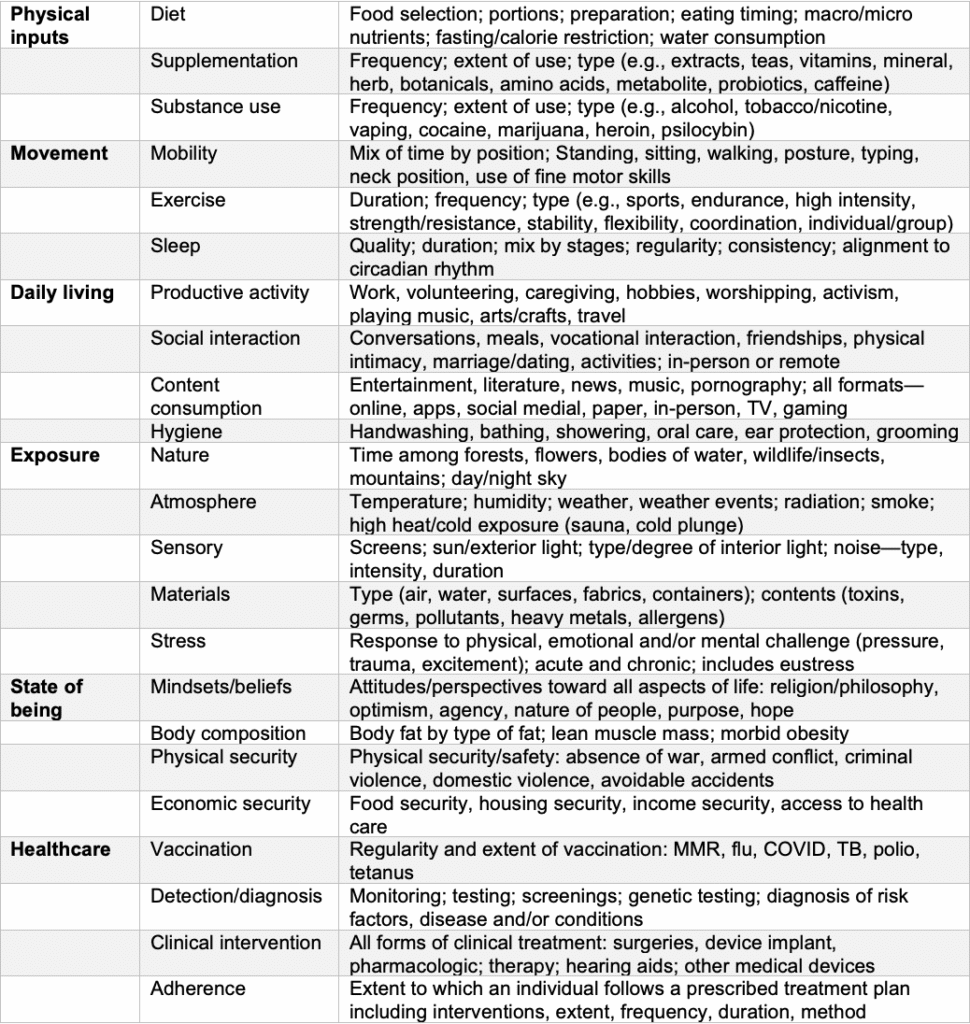
We recently welcomed Celynn Morin as our Network keynote speaker, and we gained insights into achieving a better work-life integration. I have heard Celynn speak before and it was a useful reminder of the balance of personal and professional goals as we move into the start of 2025. In the blog below I have provided some insights into books that I believe can guide us on a better path and also a reminder of the Universal 23 Drivers of Health.
Cara Delevingne, British Model and Actress
“When you have balance in your life, work becomes an entirely different experience. There is a passion that moves you to a whole new level of fulfilment and gratitude, and that’s when you can do your best, for yourself and for others.”
In a world where busyness is glorified and exhaustion is often worn as a badge of honour, achieving greatness as a leader can feel like an endless race. But what if the key to sustained success and world-class leadership is not doing more, but doing less although more intentionally? What if rest, balance, and energy renewal are not indulgences but the secret weapons of the most effective leaders? Drawing from six ground-breaking books, this thought piece explores how to cultivate leadership excellence while staying true to your values, maintaining balance, and achieving peak performance.
Michelle Obama, Former First Lady of the United States
We need to do a better job of putting ourselves higher on our own ‘to do’ list.”
I. Redefining Success… it should be about Thriving Instead of Surviving
Arianna Huffington’s ‘Thrive’ begins with a bold assertion that our traditional metrics for success, money and power, are incomplete. She introduces a “Third Metric” that redefines success to include well-being, wisdom, wonder, and giving. Leaders who prioritise these elements, she argues, not only achieve more but also live richer, more fulfilling lives.
Key Lessons on Thriving
Well-Being is Foundational
Physical and mental health are non-negotiable. Without sleep, exercise, and mindfulness, success becomes unsustainable.
Modern neuroscience confirms what ancient wisdom has long taught that our physical and mental well-being directly impacts our leadership effectiveness. Dr Matthew Walker’s research at UC Berkeley demonstrates that just one night of poor sleep can reduce emotional intelligence by up to 30% a steep price for any leader to pay.
Practical Application
Create non-negotiable wellness boundaries. Microsoft CEO Satya Nadella maintains a strict 7-hour sleep schedule and begins each day with 30 minutes of meditation. “These aren’t indulgences,” he explains, “they’re investments in my leadership capacity.”
Wisdom Requires Reflection
Build regular pauses into your schedule to reflect on your decisions, goals, and values. In our data-driven world, we often mistake information for wisdom. True wisdom emerges from reflection and the ability to step back, process experiences, and extract meaningful insights. Progressive companies like LinkedIn and Google now incorporate regular reflection practices into their leadership development programs.
Leadership Practice – Schedule weekly reflection blocks. Use prompts like
What decisions this week reflected/contradicted my values?
Where did I make the greatest impact?
What patterns am I noticing in my leadership challenges?
Wonder Fuels Curiosity
Take time to savour beauty, joy, and gratitude. This fosters creativity and resilience. Innovation doesn’t emerge from endless meetings; it springs from moments of wonder and curiosity. Leaders who maintain their sense of wonder often spot opportunities others miss. Take Anne Wojcicki, CEO of 23andMe, who attributes many of her company’s breakthroughs to encouraging “purposeful daydreaming” among her teams.
Giving Enhances Purpose
Acts of service create a sense of fulfilment that fuels personal and professional success. Research from several leading Universities demonstrates that leaders who engage in regular acts of service show improved decision-making abilities and stronger team relationships. This isn’t about formal corporate social responsibility programs; it’s about embedding generosity into your leadership style.
By adopting these principles, leaders move beyond survival mode, shifting into a state of thriving where their personal well-being directly enhances their professional performance.
II. The Four Behaviours of Exceptional Leaders
In ‘The CEO Next Door’, Elena L. Botelho and Kim R. Powell analyse data from thousands of CEOs to uncover the behaviours that set successful leaders apart. Contrary to myths, great CEOs are not always charismatic extroverts or MBA graduates. Instead, they excel because they cultivate four key behaviours.
Decisiveness
Great leaders make bold decisions quickly, even without perfect information. Delaying decisions often causes more harm than making a wrong choice. Analysis paralysis kills more opportunities than bad decisions do. Jeff Bezos popularised the concept of “Type 1” and “Type 2” decisions in Amazon recognising that most business decisions are reversible and therefore don’t require extensive analysis.
Decision Framework…..Ask yourself:-
Is this decision reversible?
What’s the cost of delay vs. the cost of being wrong?
What additional information would actually change my decision?
Engaging for Impact
Successful leaders build trust and influence across their organisations. They listen actively, communicate clearly, and inspire others to align with their vision. Effective leadership isn’t about having all the answers, it’s about asking the right questions and truly listening to the responses. Satya Nadella transformed Microsoft’s culture not through top-down mandates but by creating what he calls “empathy at scale.”
Engagement Strategies:
Practice “question-led leadership”
Create psychological safety for honest feedback
Build diverse networks across organisational boundaries
Reliability
Delivering on promises consistently is the cornerstone of trust. Leaders who follow through on their commitments earn credibility. In an age of disruption, consistency becomes a superpower. Leaders who consistently deliver on their commitments build the psychological safety necessary for bold innovation and change.
Adaptability
Thriving leaders embrace change and view challenges as opportunities for growth.
These behaviours are not innate but learned, making the path to leadership excellence accessible to anyone willing to practice them. The most successful leaders view change not as a threat but as a learning experience. They maintain what Uspire calls a “growth mindset”, believing that their abilities can be developed through dedication and hard work.
III. Rest is The Secret Ingredient to Peak Performance
In ‘Rest, Why You Get More Done When You Work Less’, Alex Soojung-Kim Pang dismantles the myth that endless work equals success. Instead, he argues that rest is essential for creativity, innovation, and long-term productivity. High achievers throughout history, from Charles Darwin to Winston Churchill, prioritised deliberate rest to sustain their performance.
Key Strategies for Rest
Adopt Work-Rest Rhythms…..Work in focused bursts of 90–120 minutes, followed by intentional breaks. This mirrors the natural cycles of energy and recovery. High-performance leaders treat rest as seriously as they treat work. They understand that physical energy is the foundation of all other forms of energy.
Rest Rituals
Schedule exercise as you would crucial meetings
Practice “micro-breaks” every 90 minutes
Maintain clear boundaries between work and recovery time
Prioritise Sleep….Sleep is the foundation for cognitive function, emotional regulation, and resilience. Protect it as fiercely as you protect your schedule. Cognitive research shows that our brains need regular periods of complete disengagement to maintain peak performance. This is why so many breakthrough insights happen during moments of sleep and relaxation.
Engage in Active Rest….Activities like walking, playing music, or gardening allow your mind to wander, fostering creativity and problem-solving. Many of history’s most creative leaders were prolific in multiple domains. Winston Churchill painted. Condoleezza Rice played piano. These weren’t mere hobbies; they were crucial elements of their leadership effectiveness.
Take Longer Breaks…..Holidays and sabbaticals provide deep restoration and fresh perspectives. Far from being a luxury, rest is a strategic advantage that allows leaders to sustain high performance over the long haul.
IV. The Disciplined Pursuit of Less
Greg McKeown’s, ‘Essentialism is a manifesto for focus and intentionality’ discusses that in a world of infinite demands, the key to success is not doing more but doing less, better. Essentialism is about discerning what truly matters and eliminating everything else.
Key Principles of Essentialism
Clarify Your Priorities
Identify your core values and focus only on what aligns with them. Ask yourself, “What is the most important thing I should be doing right now?”
Essential leaders regularly ask themselves:-
What am I uniquely positioned to offer?
What problems do I feel compelled to solve?
Where can I create the greatest impact?
Say No to Non-Essentials
Every yes to something trivial is a no to something meaningful. Learn to decline requests that don’t serve your goals. Success isn’t just about what you do, it’s about what you choose not to do. Essential leaders become masters at saying “no” to good opportunities so they can say “yes” to great ones.
Simplify Decision-Making
Create routines and systems that minimise distractions and reduce decision fatigue, create a resilient approach.
Create systems that automate or eliminate non-essential decisions:-
Standardise routine choices
Batch similar tasks
Delegate decisions that others can make
Design for Focus
Schedule time for deep work, free from interruptions, to concentrate and reflect on your highest-impact tasks.
By adopting essentialism, leaders can channel their energy into what truly drives success, creating more impact with less effort.
Winston Churchill
“Success is not final, failure is not fatal, it is the courage to continue that counts, balanced by time for reflection.”
V. Energy is the Ultimate Resource
‘The Power of Full Engagement’, by Jim Loehr and Tony Schwartz shifts the focus from managing time to managing energy. The authors argue that energy, not time, is the key to high performance. Like athletes, leaders must balance periods of intense work with deliberate recovery to sustain peak performance.
The Energy Matrix and its Four Dimensions
1. Physical Energy
Optimise sleep quality
Practice strategic eating
Incorporate movement throughout the day
2. Emotional Energy
Cultivate positive emotions
Build emotional resilience
Practice gratitude and appreciation
3. Mental Energy
Maximise focus periods
Minimise distractions
Practice active recovery
4. Spiritual Energy
Connect with your purpose
Align actions with values
Contribute to something larger than yourself
VI. Leading Like an Athlete
In ‘The Corporate Athlete’, Jack L. Groppel applies sports science to the corporate world, teaching leaders to perform at their best by training like elite athletes. Success, he argues, requires balancing physical, emotional, mental, and spiritual energy.
Key Lessons from The Corporate Athlete
1. Periodisation
Just as athletes’ cycle between training and recovery, leaders need to alternate between periods of intense focus and deliberate recovery.
2. Mental Conditioning
Develop mental toughness through:
Visualisation practices
Stress inoculation training
Mindfulness techniques
3. Performance Rituals
Create routines that support peak performance:
Morning energy-building practices
Transition rituals between activities
Evening wind-down routines
Leaders who embrace this model avoid burnout and unlock sustainable, high-impact performance.
Sir Richard Branson
“Maintaining a work-life balance is essential. Success means nothing if it comes at the expense of your health or relationships.”
VII. Integrating the Insights….A Framework for Leadership Excellence
By synthesising the lessons from these six books, leaders can build a holistic framework for success.
Define Your Purpose (Thrive, Essentialism) Start with clarity about your values and long-term goals. Let this purpose guide your decisions.
Cultivate Rest and Renewal (Rest, The Corporate Athlete) Prioritise sleep, recovery, and hobbies to sustain energy and creativity.
Adopt Essentialism (Essentialism) Focus only on what truly matters. Eliminate distractions and protect your time.
Lead with the Four Behaviours (The CEO Next Door) Be decisive, engage others, deliver results consistently, and adapt boldly to change.
Manage Energy, Not Time (The Power of Full Engagement) Balance physical, emotional, mental, and spiritual energy to perform at your peak.
VIII. Practical Action Steps
For Immediate Implementation:-
1. Audit Your Energy – Identify activities that drain or replenish your energy. Adjust your schedule to maximise renewal.
2. Say No to One Commitment – Decline one non-essential request this week to free up time for what matters.
3. Schedule Deliberate Rest – Block time for a hobby, walk, or nap each day.
4. Clarify Your Goals – Write down your top three priorities for the week and focus only on these.
5. Practice Decisiveness – Commit to making one decision faster than you normally would.
For Long-Term Growth:-
1. Build rituals around rest and focus (e.g., morning routines or deep work blocks).
2. Regularly revisit your purpose and priorities to stay aligned with your goals.
3. Seek feedback to refine your leadership behaviours and improve engagement.
Conclusion – The Balanced Path to Leadership Excellence
Leadership excellence doesn’t require superhuman traits or endless hustle. As these six books reveal, it’s about cultivating balance, focus, and intentionality. By prioritising well-being, embracing essentialism, managing energy, and fostering resilience, leaders can achieve sustained success while living rich, meaningful lives.
Will you chase busyness, or will you pursue greatness with clarity, balance, and purpose? The tools and tips are here and below now it’s time to apply them.
Become The Conductor of Your Symphony of Life
Yehudi Menuhin, British-American Violinist and Conductor
“Music creates order out of chaos, for rhythm imposes unanimity upon the divergent, melody imposes continuity upon the disjointed, and harmony imposes compatibility upon the incongruous.”
Leadership excellence isn’t achieved in isolation, it’s orchestrated through a masterful blend of connections, challenges, and continuous growth. Like a skilled conductor, great leaders don’t just perform; they create harmony across every aspect of their existence. Each day presents an opportunity not for perfection, but for progress, a chance to fine-tune the complex melody of leadership and life.
The Modern Paradox
In today’s hyper-connected world, the boundaries between work and personal life have become increasingly blurred. Digital devices serve as ever-present conductors’ batons, seemingly demanding our attention at all hours. Recent studies reveal a startling truth that over 90% of executives now log more than 50 hours weekly, with nearly half surpassing 65 hours. This relentless tempo isn’t just unsustainable, it’s actively eroding the very foundation of our wellbeing, relationships, and joy.
Composing Your Life’s Symphony
Think of your life as a grand orchestra, where each section requires attention, respect, and precise timing. Like skilled musicians awaiting their conductor’s signal, different aspects of your life stand ready to contribute to the overall composition. The art lies not in playing all instruments simultaneously, but in knowing when to amplify certain sections while allowing others to softly harmonise in the background.
The Twin Movements
Just as a symphony has distinct movements, your life’s composition centres around two fundamental themes:-
The Professional Movement
Your work philosophy forms one essential movement of your life’s symphony. It encompasses your definition of meaningful work, your approach to achievement, and your perspective on success. Perhaps your melody emphasises innovation over stability, or collaboration over individual performance. There’s no universal score, each leader must compose their own definition of professional fulfilment.
The Personal Movement
Your life philosophy creates the complementary movement, incorporating your values, relationships, and broader purpose. This encompasses your spiritual beliefs, your vision for societal contribution, and your personal ethics. Some may compose a movement rich in community involvement, while others might emphasise family harmony or personal growth.
The Art of Conducting
True mastery comes not from perfectly balanced time allocation, but from orchestrating moments of significance in each area of your life. Like a conductor who knows precisely when to bring in the strings or fade out the percussion, effective leaders learn to:-
Recognise when career demands require intensity
Identify moments for family connection
Create space for personal renewal
Harmonise professional growth with personal values
Blend ambition with authenticity
Finding Your Rhythm
Consider how ancient explorers navigated vast oceans with simple compasses. Similarly, you can navigate life’s complexity by staying attuned to your internal compass, your core values and priorities. Take time to compose your own score by writing detailed reflections on both your professional and personal philosophies. This isn’t a brief exercise; invest in crafting at least 250 words for each aspect or use the Uspire tools and create your own personal Brand Key.
The Harmony Principle
Remember, harmony isn’t about equal time distribution, it’s about creating resonance across all aspects of your life. When properly orchestrated, this harmony enables you to:-
Maintain composure during unexpected challenges
Approach problems with creative solutions
Find joy in daily moments
Build lasting relationships
Achieve sustainable success
As the conductor of your life’s symphony, you hold the power to create beautiful music from the seemingly disparate elements of your existence. The goal isn’t perfection, but rather a composition that reflects your unique vision, values, and voice. When you achieve this harmony, even life’s inevitable disruptions become mere variations in your ongoing masterpiece rather than discordant interruptions.
The Hidden Symphony of Health, Understanding the 23 Forces That Shape Your Well-being
Henri Frederic Amiel, Swiss Philosopher
“ A symphony is harmony, harmony is perfection, perfection is our dream, and our dream is heaven.”
Have you ever wondered why some days you feel invincible while others leave you struggling to get out of bed? Why the same lifestyle choices seem to affect different people in vastly different ways? The answer lies in what I’ve come to call the “Symphony of Health”, a fascinating interplay of 23 distinct but interconnected forces that shape our well-being.
Let me share a story that might sound familiar. Sarah, a successful executive, seemed to be doing everything “right.” She ate organic food, hit the gym three times a week, and got her eight hours of sleep. Yet she still felt exhausted, disorientated, often stressed and unfulfilled. Why? Because she was conducting only part of her health symphony while leaving other crucial instruments silent.
The Symphony Begins…….Understanding Your Health Orchestra
Think of your health like a symphony orchestra. Each section plays a crucial role, and when one is out of tune, the entire performance suffers. Let’s explore this concept and how they work together to create the masterpiece that is your well-being.
Act 1, The Foundation Players (Physical Inputs)
Imagine your body as a high-performance vehicle. What you put into it matters tremendously.
The Fuel (Diet)
Remember the last time you felt truly energised after a meal? That’s your body celebrating proper nutrition. Think whole foods as premium fuel and processed foods as the cheap stuff that might keep you running but eventually clogs the engine.
Pro tip – Start your day with a “power plate”. Combine protein, healthy fats, and fibre-rich carbs.
The Supplements (Your Support Cast)
Think of supplements not as stars but as understudies, they are there to fill in the gaps, not steal the show. Personal note, I learned this the hard way after spending hundreds on supplements while ignoring basic nutrition.
The Wildcards (Substance Use)
Consider this…….Every alcoholic drink or cigarette is like a tiny withdrawal from your health bank account. The good news? Your body has an amazing ability to recover when you make better choices.
Act 2 – The Movement Symphony
Daily Motion (Mobility)
Picture your body as a river, it needs constant movement to stay fresh and vital. Stagnation leads to pollution. Try this – Set a timer to move every hour, even if it’s just for two minutes. Remember – The best posture is your next posture so keep changing positions throughout the day.
Exercise (The Power Movements)
Think of exercise not as punishment but as celebration of what your body can do. Find your “joy movement”, the physical activity that makes you forget you’re exercising. Try this – schedule a period in your day to make calls and if you have nearby green space even better go for a ‘walk and talk’.
Act 3 – The Daily Rhythms
Productive Flow
Ever noticed how good you feel after accomplishing something meaningful? Create daily “micro-wins” these are small achievements that build momentum.
Social Harmony
We’re not meant to be solo instruments. Quality over quantity matters because one deep rewarding conversation can be worth more than hours of small talk
Content Consumption
Your mind is like a garden so be selective about what you plant in it. Try a “digital sunset” which means no screens one hour before bed.
Act 4 – The Environmental Orchestra
Nature’s Embrace
When was the last time you felt grass under your feet? Challenge – Spend 20 minutes in nature daily and notice how differently you feel.
Atmospheric Influence
Your air quality affects every breath you take. Simple fix – Add some air-purifying plants to your living space
The Sensory Symphony
Create environments that soothe rather than stress your senses. Design your space with intention select colours, sounds, and textures that matter.
Act 5 – The Stress Response
Think of stress like seasoning in a meal, a little enhances the flavour, too much ruins the dish.
Stress Management Strategies that Work.
Find your “reset button” which is a quick activity that helps you decompress.
Create boundaries between work and rest.
Practice the “90-second rule” and acknowledge stress, breathe through it, let it pass.
The Supporting Cast
Healthcare Partners
Think of healthcare providers as your wellness coaches, not just problem fixers. Be proactive and have regular check-ups they are like tuning your instrument before it goes out of key.
Making It Work For You and Discovering Practical Steps
1. Start With One Section
Choose the area that resonates most with you
Make one small change and observe its ripple effects
2. Create Your Daily Symphony
Morning ritual…….Set your intention for the day
Afternoon reset……Take a nature break
Evening wind-down…..Gentle movement and relaxation
3. Build Your Support Orchestra
Find your health allies these are friends, professionals, community
Create environments that support your goals
Thomas Merton, Theologian
“Happiness is not a matter of intensity, but of balance, order, rhythm, and harmony.”
Here’s what I’ve learned after years of studying these health drivers. Perfect harmony isn’t the goal, resilient adaptation is. Your health symphony will have some days of perfect performance and others when some sections are a bit off. That’s not just okay it’s normal.
Your Next Steps
Conduct an audit of your current health symphony
Identify one section that needs tuning
Make one small change this week
Notice how it affects the entire performance
You’re not just the conductor of this health symphony remember you’re also the composer. You have the power to create beautiful music with your life, one note at a time.
Your health journey is unique to you. While these 23 drivers are universal, how they play together in your life will be your own special composition. Listen to your body, trust your intuition, and don’t be afraid to adjust the tempo when needed.
What section of your health symphony will you start tuning today?
Alan Watts, British Philosopher
“No valid plans for the future can be made by those who have no capacity for living now.”
You can watch Celynn’s Wellbeing Webinar here, where she shares her thoughts on becoming your opwn CEO (Chief Energy Officer).
Episode 12: The Most Famous Shop in the World, with Anna Moir
Leading the Way: Retail Insights from Anna Moir, Deputy Retail Director at Harrods
Lessons from one of the most famous department stores in the world. Amanda Downs interviewed Anna Moir, a retail powerhouse with three decades of experience. In her conversation with Amanda, Anna shared the essential qualities for retail leadership, career development, and how to thrive during peak times in retail.
Key Qualities for Retail Leadership
One of the highlights was exploring the critical qualities and questions for candidates applying for retail leadership positions. According to Anna, customer-centricity is paramount. It’s all about understanding the customers’ needs and delivering exceptional service. Additionally, she emphasised the importance of having a proven track record of implementing change and core leadership qualities like integrity, transparency, and timely communication. Anna particularly values candidates who prepare thoroughly and show a genuine investment in the role. “I look for individuals who express how they would approach the position if successful,” she shared. By doing so, candidates demonstrate their commitment and vision, making them stand out.
A Journey Shaped by Supportive Managers
Anna’s career journey is inspiring. Starting as a Saturday girl at House of Fraser and with a degree in textiles, she entered the retail world through a graduate trainee scheme. From there, she climbed the ranks, gaining invaluable management experience at Kendall’s and other notable UK retailers like Selfridges and John Lewis. Today, she stands as the Deputy Retail Director at Harrods, managing luxury departments and a team of around 400 in the food hall alone. Supportive managers and building strong relationships have played a crucial role in her career development. “Be proactive in pursuing opportunities,” Anna advised, sharing a story of how expressing her interest and networking landed her a project in Dubai.
Asking for What You Want and Listening to Feedback
The conversation touches on a vital aspect of career growth – communicating your aspirations. Anna stressed the importance of asking for what you want in your career. However, she also acknowledged that sometimes the feedback might be that a certain path isn’t suitable. “It’s crucial to listen and learn from it,” she emphasised.
Balancing On-Site Presence with Hybrid Work
When discussing the ever-evolving nature of work, especially post-COVID, Anna highlighted the benefits of a flexible work schedule. At Harrods, she encourages physical connectivity with colleagues for three days a week, usually from Tuesday to Thursday. “Human interaction is essential for decision-making and gaining energy from others,” she noted. While on-site presence is valuable, occasional remote work for focused projects is also necessary.
Core Leadership Principles
Anna’s leadership philosophy revolves around several key principles, including “doing the right thing” with integrity, transparency, and treating others as one would like to be treated. She champions bravery, open-mindedness, and actively listening to team members. “Fostering an environment where individuals can be themselves and allowing personalities to thrive is crucial,” she explained.
Behind the Scenes in the Harrods’ Food Hall
On a lighter note, Anna shared some insights into the popular items currently trending at Harrods Food Hall, mentioning that chocolate, influenced by TikTok trends, and the rotisserie chicken Christmas box, are customer favourites. For those planning a visit, the best time is early lunch, before noon.
Empowering Teams
Anna’s leadership approach is about empowerment, guidance, and allowing team members to grow without micromanagement. She believes in observing and acknowledging team members’ personal lives and emotions to build a supportive culture. Leading by example for her teenage children, who are currently working in retail, is also a priority for her.
Anna Moir’s journey and insights remind us of the importance of integrity, customer-centricity, and building strong relationships. As we navigate the ever-changing landscape of retail, let’s take a page from Anna’s book and invest in people, embrace flexibility, and lead with authenticity.
Find out the Secrets to Sales Mastery: A Conversation with Shaun Smith
With over 20 years of experience in the food and drink industry, Shaun Smith, General Manager at Birds Eye UK and Ireland, has a wealth of knowledge about what it takes to succeed in sales and leadership.
One thing that really hit home during Amanda’s conversation was Shaun’s emphasis on mastering the basics. Whether you’re new to the field or not, Shaun believes it’s crucial to take accountability, be in control, know your numbers and customers, and have a clear vision. He advises aiming higher than just meeting budgets and aligning goals with both customers and team members. This mindset not only drives success but paves the way for building a positive legacy.
Passion, Hard Work and Understanding Purpose
Shaun brought up the importance of passion and hard work. He talked about the value of selling products you’re genuinely passionate about and putting in the hard work and collective effort to succeed. It’s a simple yet powerful reminder that staying motivated and committed can make all the difference in your sales journey.
Understanding the purpose behind your work and leadership is another cornerstone of Shaun’s philosophy. This deeper purpose acts as a guiding principle, helping you focus your efforts and create meaningful impacts. To hear Shaun describe how this has shaped his own career was incredibly inspiring.
Leadership with Integrity
Shaun is also a big advocate for continuous learning and improvement. These traits are often what separates the good from the great in the sales world. His words are a valuable reminder that we should never stop developing our skills and expanding our knowledge.
He told me that he finds fulfillment in understanding his team’s motivations and supporting their personal and professional growth, and his view that challenges are opportunities for growth and innovation really resonates. His belief in turning challenges into opportunities through collective effort is a lesson we can all learn from.
Coaching and Mentoring
Coaching and mentoring play pivotal roles in Shaun’s leadership journey. Whether it’s formal or informal mentorship, these relationships have greatly impacted his career development. He continues to rely on coaching for personal growth, and spoke on the importance of learning and sharing experiences.
Authenticity and Creating a Positive Legacy
Authenticity is another critical aspect of Shaun’s leadership style. He shared how his initial career experience involved trying to fit into a corporate mould, but he soon realised the value of being true to himself. Leading with honesty, integrity, self-awareness, and humility has not only benefited his personal growth but also the organisations he’s been a part of.
He promotes a work culture that values diversity and encourages individuals to bring their authentic selves to the workplace. His efforts in equality and inclusion initiatives, inspired by his late grandfather, reflect his desire to create a positive impact.
One of the standout pieces of advice from Shaun was to treat people well and the importance of truly listening, it’s advice that he admits he has come to value more with time. He also emphasised that as aspiring leaders, we should focus on authenticity, listening, and embracing our individual values and strengths.
Shaun’s Sales Secrets
Wrapping up our conversation, it’s clear that Shaun’s career achievements are underpinned by these core principles. From starting in a sales graduate scheme, driving a bread van for Warburton’s, to overseeing a 200-people commercial team at Birds Eye, Shaun’s journey is a testament to dedication, continuous learning, and authentic leadership.
Episode 10: Community Connection with Charly Andrews
Insights from Charly Andrews on Leading with Heart and Strategy
Charly Andrews, inspiring sales leader and Head of Commercial Sales at Bath and West Showground, joins Amanda Downs to share her invaluable lessons on resilience, authenticity, and compassionate leadership.
Charly shares an inspiring story about how she helped adapt the Ashton Gate Stadium during the COVID-19 pandemic. As the venue’s sales manager, Charly led her team through uncharted territories. The stadium became the UK’s first super vaccination centre in January 2021, with even the Prime Minister attending the opening. This wasn’t just a logistical feat – it was a testament to their commitment to the community.
Despite the restrictions, they transformed the space for various community activities, from setting up dining experiences to hosting comedy nights and packaging food parcels for the homeless. These efforts not only kept the business relevant but also received recognition from the NHS trust for their unwavering support.
Building Genuine Relationships and Leading with Empathy
One of the essential sales leader secrets that Charly emphasises is the power of genuine relationships. In her view, remembering personal details about clients, like birthdays or family events, fosters trust and loyalty. It’s about showing genuine care and interest beyond just the business transactions. This approach has clearly paid off, demonstrated by the growth from ten to ninety booked events under her leadership at Ashton Gate Stadium.
Throughout the conversation, Charly’s leadership philosophy shines brightly. She believes in the importance of emotional intelligence in leadership and views emotions not as weaknesses, but as strengths that help build a trusting and open work environment. She encourages leading with kindness and treating people as people. In a world where salespeople can often be labelled as “sleazy,” Charly stands as an exemplary figure who challenges this stereotype. She believes firmly in being authentic and building meaningful relationships.
Strategic Planning in Event Management
Charly’s strategic mind is evident in her approach to event planning and sales. Whether it is working with promoters to book acts or making decisions based on audience demographics and preferences, each move she makes is calculated for maximum profitability. The successful Take That concert is a prime example of this, which topped charts in terms of ticket and VIP sales and extensive beverage consumption. Her transition from outbound to inbound sales strategies and focus on nurturing long-term relationships with promoters showcases her adaptability and business acumen.
Career Progression and Future Aspirations
It is fascinating to learn about Charly’s career progression, from working in entertainment management with TUI to her current role at Bath and West Showground. Her journey is a testament to how versatile and dynamic career paths can be. The showground has thrived under her leadership – expanding the team and increasing the number of events held annually.
Charly’s future aspirations are equally inspiring. Despite her accomplishments in sales, she wishes to return to performing arts as a hobby. Her ability to blend different passions and careers is truly admirable and a reminder that personal growth and happiness are equally important in our professional journeys.
Embracing Openness and Honesty
As the conversation draws to a close, Charly leaves with some invaluable advice: always be open and honest with your team, it creates a safe and trusting work environment. This echoes a recurring theme throughout the Sales Leaders’ Secrets podcast series – authenticity and transparency are essential ingredients for effective leadership.
Listen now.
Episode 9: Harvesting New Heights with Jon Cummings
Understanding the Sales Leadership Journey: Insights from Jon Cummings
Amanda Downs was joined by Jon Cummings, the Commercial Director at Fisher Farms, to discover more pearls of sales leader wisdom. Jon is a seasoned expert with a rich background in both retail buying and supply chain roles. Amanda and Jon’s discussion revealed the nuances of transitioning between different facets of the food industry, the importance of cross-functional collaboration, and Jon’s personal experiences and insights that have shaped his successful career.
Transitioning from Retail Buying to the Supply Side
Jon’s career began in retail as a buyer – a role he immersed himself in for many years before venturing into the supply side of the meat industry. His journey reflects the significant learning curve and the importance of cross-functional collaboration. At Kerry Foods, Jon quickly recognised the perils of siloed operations. By working closely with departments such as operations and commercial, he emphasised the value of collaboration towards shared goals, which is essential in avoiding inefficiencies and ensuring the smooth functioning of the business.
This move also allowed Jon to expand and educate his team, facilitating a rapid learning process. He discovered that leading teams in own label versus branded products presented unique challenges. The collaborative, shared ownership approach with retailers in own label really contrasted with the need to convince buyers in brand sales.
Jon’s decision to return to retail was influenced by an opportunity that combined his expertise in both buying and manufacturing. At Morrisons, he utilised his unique skill set in a company known for its own manufacturing sites. This transition shone a light on his ability to navigate both sides of the industry, a testament to his adaptability and deep market understanding.
Emphasising Knowledge and Passion
As a leader, Jon passionately believes in being deeply knowledgeable about your products or category. Whether in supply or buying roles, he stresses the importance of immersing oneself in the business and understanding the market thoroughly. His inquisitive nature extends to understanding customers, the environment, and the overall industry – particularly with vertical farming.
The Future of Vertical Farming
Jon’s current role at Fischer Farms, a startup in the agri-tech sector, involves tackling the intricacies of vertical farming – a revolutionary approach to agriculture that uses LED lights to grow crops like salads and herbs indoors. This method is environmentally friendly, space-efficient, and water-conserving. While Fischer Farms products are not yet available in supermarkets, they are already making their way into the foodservice sector.
Continuous Learning and Balancing Demands
Jon advises retail and commercial directors to encourage their teams to explore and understand the supplier side better. Stepping out of the office and engaging with the supply chain can have significant benefits. Jon’s experience at Fischer Farms, , showcases the dynamic and fast-paced nature of working with passionate entrepreneurs. His initial imposter syndrome was quickly overcome as he realised his value in bridging knowledge gaps within the diverse team.
Working in a startup environment, especially with a driven entrepreneur, demands excellent personal time management and boundary-setting. Jon and the business owner’s shared enthusiasm highlights the importance of aligning passion with professional goals. This balance is essential for maintaining productivity and personal well-being in high-demand roles.
Addressing Challenges and Sharing Wisdom
Jon shared invaluable advice to aspiring sales leaders; confidence, intuition, continuous learning, and humility are key. Recognising the importance of asking for help and understanding teams personally to leverage their diverse strengths are pivotal for first-time managers.
Jon’s “sales leader secret” encapsulates authenticity, bravery, and confidence. His belief in being deeply knowledgeable and passionate about one’s product or business underscores his approach to leadership.
Stay tuned for more episodes where we reach deep into the secrets and strategies behind successful sales leadership!
Manage Consent
We use cookies to provide you with content based on your interests. They also help us understand how you use our website and personalise your experience. You can accept all cookies, reject all non-essential cookies, or customise your preferences.
Strictly necessary
Always active
These cookies are essential for the website to function. They enable things like submitting an enquiry, booking a discovery session and downloading our book. We can't turn these off.
Preferences
The technical storage or access is necessary for the legitimate purpose of storing preferences that are not requested by the subscriber or user.
Statistics
The technical storage or access that is used exclusively for statistical purposes.The technical storage or access that is used exclusively for anonymous statistical purposes. Without a subpoena, voluntary compliance on the part of your Internet Service Provider, or additional records from a third party, information stored or retrieved for this purpose alone cannot usually be used to identify you.
Marketing
Technical storage or access used to understand how visitors interact with our website. This includes sharing statistical data with third-party services like Google Analytics to help us improve our site.