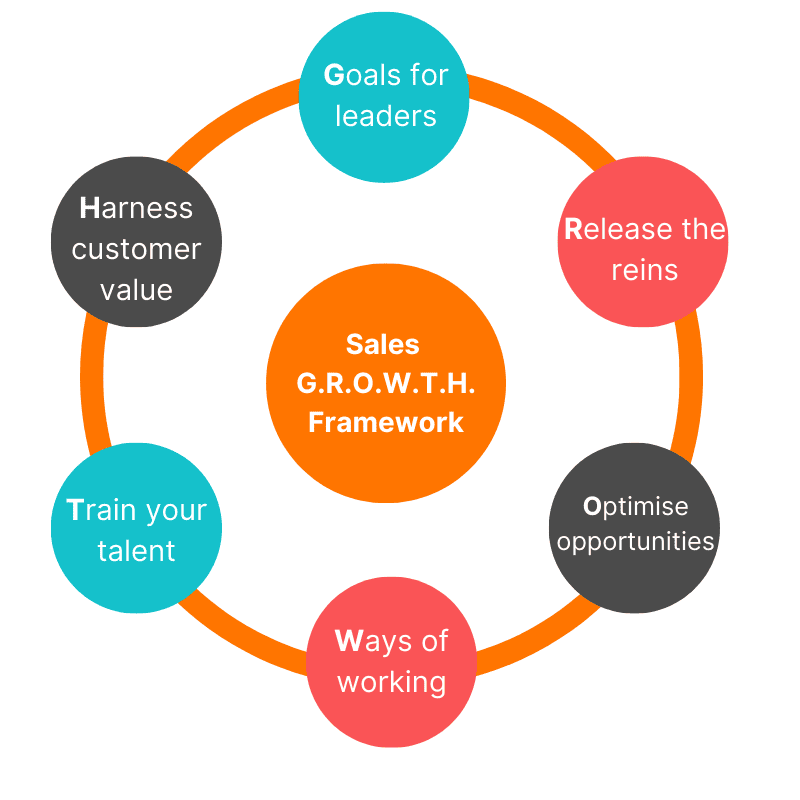
Emotional intelligence is very apparent in the high-performing leaders I have worked with. They display the awesome attitudes of positive regard and genuineness: something I try to emulate, but it wasn’t always that way…
I admit it, I used to swear at shouty and stroppy emails; the slightest hint of a capital letter was like a red rag to a bull for me, and I’d seethe and curse the sender (customer, or otherwise) under my breath! Then I was taught two things that changed my game:
Firstly, I learned more about personality, how it affects my, and everyone else’s, communication style.
Secondly, I was taught by Ali Stewart, a guru of leadership thinking, about the twin attitudes we are going to look at now.
There’s an enormous amount of research which suggests that being emotionally intelligent (EQ) is vital to how well you perform at work. According to TalentSmart, they tested the EQ of more than a million people and found that emotionally intelligent people are more successful in their jobs, and are rewarded with higher salaries.
But if you’re not genuine or don’t hold people in a positive regard, then you can’t be said to be emotionally intelligent.
Here, I’m focusing on the fourth stage of our Sales GROWTH Framework – ‘W is for Ways of Working’. This time, it’s about how sincere, genuine leaders and managers can be far more effective at motivating people when they inspire trust and admiration through their actions, and not just their words. It’s about being truly authentic, and having the right attitude, so your team follows your lead, works smarter, performs better and believes that your organisation is an inspirational place to be.
Changing workplace expectations
We don’t just live differently from our parents’ generation, we work differently too.
Look back twenty or thirty years and it can often seem as though so much has changed. In the 21st century everything from the way we shop to how we consume information and breaking news is different to a generation ago. Another major change to come about in recent years has been the significant shift in workplace management and operations. Businesses everywhere are looking for ways to improve employee satisfaction and retention, adding flexibility to offices that were once ruled by an iron fist and allowed no such thing.
The way we work now means that we’re placing more emphasis on getting results from a working population that is increasingly having to be technologically savvy whilst simultaneously juggling multiple work and family stresses.
The approach we take to leading our business will make or break its results, and not just for sales teams, but for everyone involved, too. The days of the ‘command and control’ leader are gone. Leaders need to release the reins and lead collaboratively.
Without exception, the two attitudes critical to sales leaders that I train and coach at every opportunity, and that have had the most profound effect on my own leadership approach, are these:
These are taken from the Liberating Leadership model, developed by Ali Stewart, which teaches how to lead and develop people – it’s based on 25 years of research into what high performing leaders actually do to get great results through their teams.
Attitude of Positive Regard
Having an attitude of Positive Regard is a way of accepting and supporting someone, as a fellow human being, no matter what they say or do. It’s an attitude of non-judgement and non-assumption about someone that can give them the freedom to be who they are without the fear of loss of your esteem for them. It doesn’t mean you have to like them or approve of what they do – it just means that you respect them as human beings and their right to self-determination.
Simply put, Positive Regard means that you approach every situation, and the person involved, with a positive spin. Here’s what you mean when you say you have Positive Regard:
- “I respect this person as a human being.”
- “This person’s position and view of the world is valid.”
- “This person is trying to do their best and expects the same from me.”
- “So…I’m going to work to understand the situation, and this person’s view of it, so that we can get the best possible result for us both.”
Having this attitude really works in teams, and especially with your customers. It comes from a counselling approach called Unconditional Positive Regard, a term coined by Carl Rogers, the creator of person-centred counselling and one of the founders of humanistic therapy.
When you take on an attitude of Unconditional Positive Regard, you can use it as a growth strategy for the people you lead. It allows them freedom; it can foster new ideas; it can increase the chances that your team will bring their best to work. And it can increase the strong likelihood that you’ll bring your best self to work, too.
Attitude of Genuineness
The Attitude of Genuineness, once we are approaching a situation with Positive Regard, is about being honest and open about your view, as well as giving valuable conditional feedback.
A lot of being a successful business leader is about building trust with your clients and customers. Genuineness is such a huge part of this because people want to feel as though you are authentic and honest – a real person. When people view you this way, they feel more connected and trusting of you. This also means that they will be more likely to hire you, as well as support and promote you. Genuineness is integral to your business branding and ensures that you retain your customers’ trust.
Here’s what you subscribe to when you have an Attitude of Genuineness:
- “I get where you are coming from, and this is my truthful opinion.”
- “I give you my feedback with the intent that it will help this situation to be even better.”
- “So…in a customer scenario, we give genuine answers when a customer asks a question or has a problem. We don’t blag, make it up or say what we think the customer wants to hear.”
Attitude is as important as having the right skills. When your attitude is one of Positive Regard and Genuineness then you are certain to be of help. You know the right things to ask your customers or your team, or to say nothing at the right moment.